2026-09-20
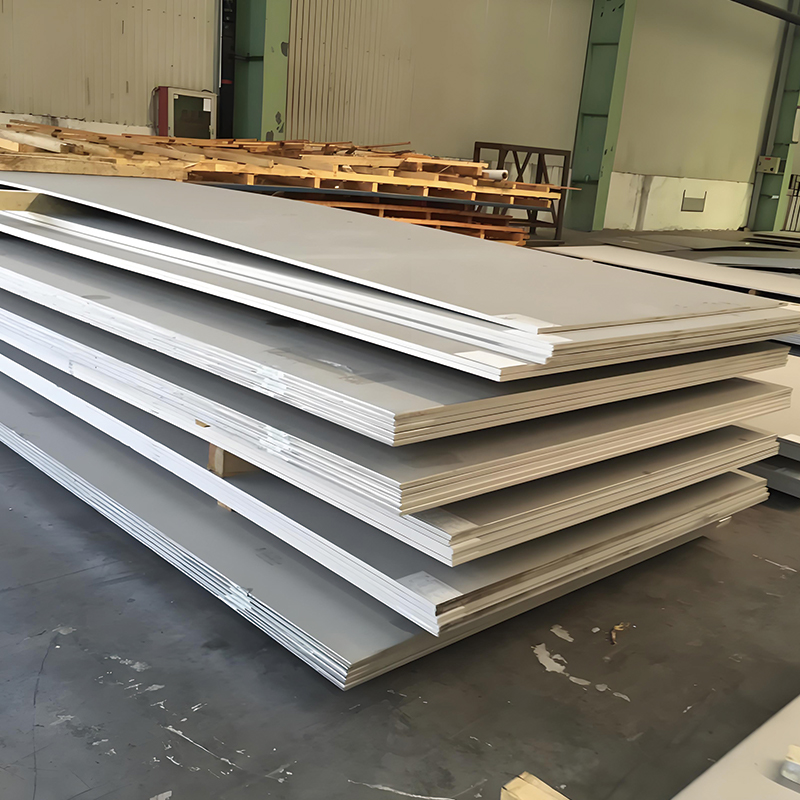
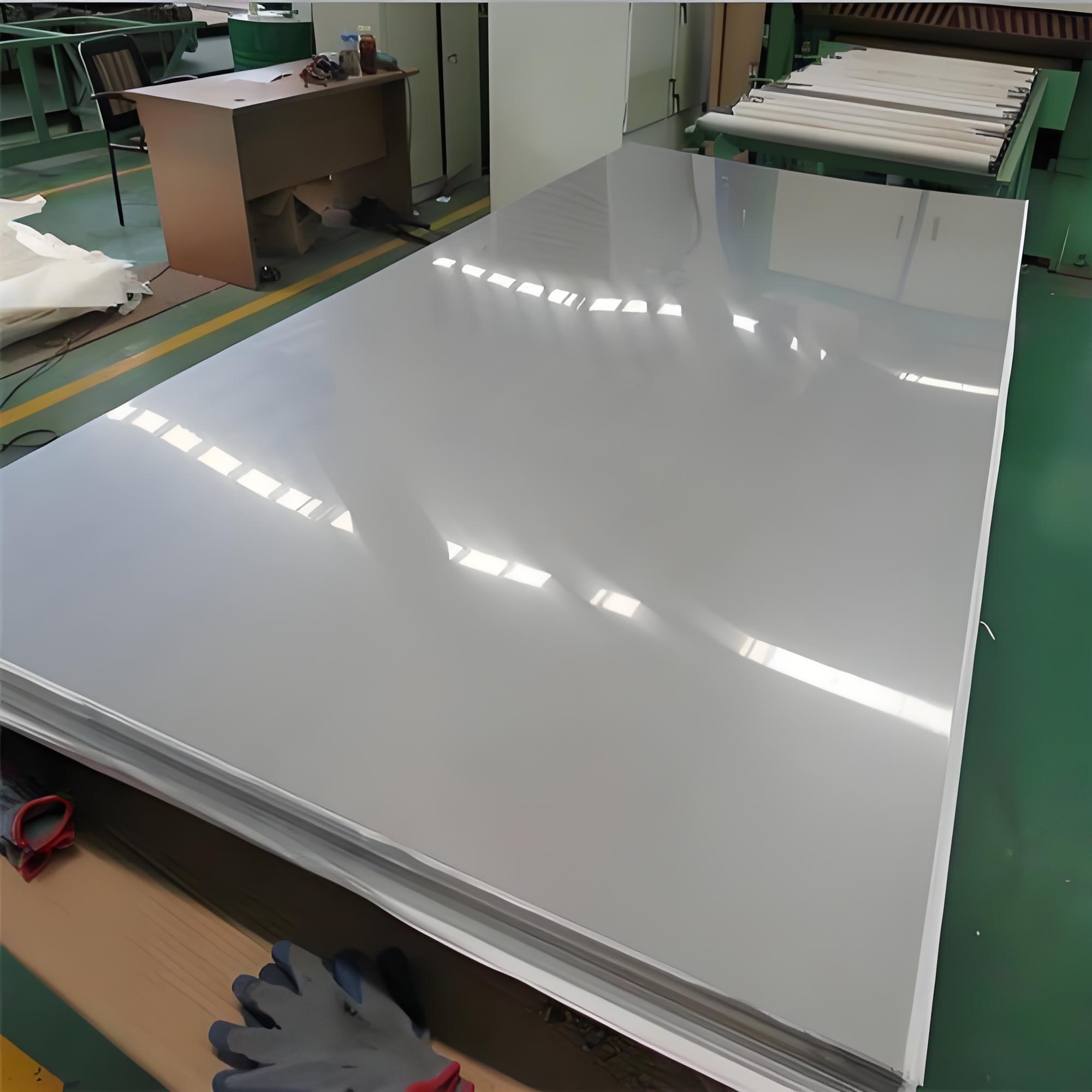
316L stainless steel sheet, as a common type of stainless steel material, has been widely used in various industrial fields due to its excellent corrosion resistance and mechanical properties. This material contains a relatively low amount of carbon and is supplemented with molybdenum, which enables it to exhibit better stability under specific conditions. The following will list several specific application examples to demonstrate its practical uses.
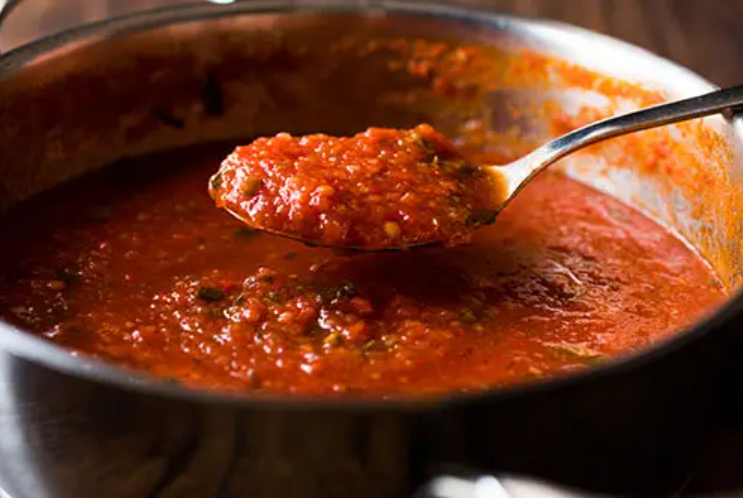
1. Food processing equipment manufacturing. In the food industry, hygiene standards are very high, and the equipment needs to be frequently cleaned and come into contact with various food raw materials. 316L stainless steel sheet are used to manufacture components such as storage tanks, conveying pipes, and mixing containers. Due to its corrosion resistance, it can resist the erosion of acidic foods such as juices or seasonings, avoiding material contamination of food. The smooth surface is easy to clean, which helps maintain the hygiene standards of the production environment. In actual production, such equipment is usually processed using 316L stainless steel sheet to ensure the reliability of long-term use.
2. Chemical containers and pipeline systems. In the chemical industry, materials often come into contact with corrosive media, such as acids, alkalis, or salt solutions. 316L stainless steel sheet are used to manufacture reaction vessels, storage tanks, and pipelines, due to their strong resistance to pitting and crevice corrosion. For example, in the fertilizer production process, equipment may come into contact with ammonia water or nitric acid. Using 316L material can reduce the risk of leakage and extend the lifespan of the equipment. In the pharmaceutical field, similar applications are also common, but it is necessary to avoid any association with medical effects and merely emphasize the practicality brought by the material characteristics.
3. Construction and decoration field. 316L stainless steel sheet can be used for outdoor building components, such as facades, railings, and roofing materials. In coastal areas, high salt content in the air can easily cause metal corrosion, but 316L's resistance to salt fog makes it suitable for such environments. For example, some seaside hotels use this material for their decorative panels to maintain a long-lasting aesthetic appearance. In interior decoration, it may be used to make countertops or furniture components, but it should be noted that it should not be used for health or beauty-related purposes, and only its durability and easy cleaning characteristics should be described.
4. Ships and marine engineering. Ship components such as pumps, valves, pipes, and deck equipment are often manufactured using 316L stainless steel plates. The seawater environment is highly corrosive, and the material needs to resist chloride ion erosion. In practical cases, the water supply system of cargo ships uses 316L pipes, reducing maintenance frequency. Similarly, structural components of offshore platforms may also use this material to ensure stability in harsh environments.
5. Application in the energy industry. In the oil or gas sector, 316L stainless steel sheet are used to manufacture storage tanks and transportation pipelines. For instance, certain equipment in refineries comes into contact with sulfur-containing media, and the material must be resistant to high-temperature corrosion. In practice, pipeline systems are processed using 316L plates to cope with complex conditions. In the new energy field such as solar, this material may also be used, but its effects should not be exaggerated; only the facts should be stated.
6. Manufacturing of daily consumer goods. 316L stainless steel sheet can be used to produce kitchenware, watch casings or household items. For example, some tableware manufacturers use this material to make pots or knives and forks due to its corrosion resistance and easy cleaning properties. In actual production, these products undergo stamping and polishing processes to meet daily usage requirements. However, when describing, avoid mentioning medical or health effects; only emphasize practicality and durability.
From these examples, it can be seen that 316L stainless steel sheet are applied in various aspects of industry and daily life. The value lies in the inherent properties of the material itself, rather than any additional effects. When making a choice, users should evaluate based on specific needs and environmental conditions.